Breathwork
Breathwork is the conscious art of regulating the breath to harmonize body, mind, and spirit. It is both the most primal and the most accessible medicine within us, each inhale drawing in life-force energy, each exhale releasing what no longer serves. Breath has been used across traditions as a tool for healing, prayer, and transformation, from pranayama in yoga to Taoist breathing, Christian contemplative prayer, and indigenous ceremonies. Whether practiced gently for grounding or dynamically for release, breathwork acts as a bridge between the conscious and unconscious, offering nervous system balance, trauma resolution, and spiritual connection.
In this foundation, we’ll explore what breathwork is, how it influences body and mind, and how to practice it with safety and intention.
Breath and the Nervous System
Breathwork is the intentional practice of directing the rhythm, depth, and awareness of breathing to shift internal states. It turns the automatic act of breathing into a tool for self-regulation, emotional healing, and spiritual alignment. By choosing how we breathe, we choose how we experience energy, stress, and presence. Breathwork, at its essence, transforms an unconscious reflex into a sacred practice, teaching us that how we breathe is how we live.
🌱 Conscious Breathing
Slow, diaphragmatic breathing activates the parasympathetic nervous system, lowers stress hormones, and restores balance to heart and mind.
🔥 Transformational Breathing
Techniques such as holotropic or rebirthing use continuous, connected breath to access non-ordinary states of consciousness, supporting the release of trauma and unconscious patterns.
🌀 Somatic Breathwork
When paired with body awareness, breath penetrates muscle and fascia tension where memories and trauma are stored, encouraging release and integration.
✨ Pranayama and Ancient Practices
In yogic and Ayurvedic systems, pranayama channels life-force (prana) through the nadis, balancing energy centers, sharpening focus, and elevating consciousness.
Techniques for Transformation
The breath is both automatic and voluntary, making it a direct bridge between unconscious physiology and conscious awareness. Through this dual nature, it reshapes our nervous system, emotions, and perception. Breathwork can calm, energize, release, or expand, depending on its rhythm and intention. Breathwork changes the way energy and information flow through the system, making it one of the most direct and accessible ways to restore coherence across body, mind, and spirit.
⚖️ Nervous System Regulation
Breathing slowly and rhythmically increases heart rate variability (HRV), reduces cortisol, and signals safety, guiding the body out of fight-or-flight into rest-and-digest.
💡 Emotional Processing
Conscious breath bypasses the analytical mind, allowing unprocessed emotions to surface. Crying, trembling, or laughter during breathwork are signs of completion rather than breakdown.
🌊 Mental Clarity
Breath improves oxygen-carbon dioxide balance, enhancing concentration, reducing anxiety, and clearing brain fog.
✨ Expanded States
From yogic samadhi to shamanic ceremonies, breath has long been used to alter consciousness, deepen meditation, and invite spiritual awakening.
Breath as Spiritual Gateway
Breathwork is powerful medicine and requires respect. A safe practice prepares the body, sets intention, and provides space for integration. With gentleness, it becomes a daily anchor; with depth, a doorway into transformation. Practiced safely, breathwork shows us that transformation does not always require force, sometimes it begins with one steady inhale and one conscious exhale.
🪷 Start with Foundations
Techniques like box breathing, coherent breathing, or alternate nostril breathing establish a strong baseline for nervous system balance.
💧 Prepare the Body
Hydration, loose posture, and a calm environment allow oxygen flow without strain.
🧘 Guided Sessions for Depth
More activating practices, like holotropic or rebirthing, can trigger intense emotional releases and are best experienced with a skilled facilitator.
📓 Integration Practices
Grounding after breathwork is essential. Journaling, light movement, or silence help the nervous system absorb the shift.
🕯 Sacred Intention
Breath becomes most transformative when paired with purpose. Whether for healing, clarity, or devotion, intention directs the energy the breath awakens.
Explore Aligned Foundations

Align your Root Chakra to shift from survival anxiety to somatic sovereignty. Clear ancestral scarcity loops and anchor absolute material presence.

Discover the science of imagination. Bridge neuroscience and ancient mysticism to rewire your brain, heal trauma, and master the art of conscious creation.
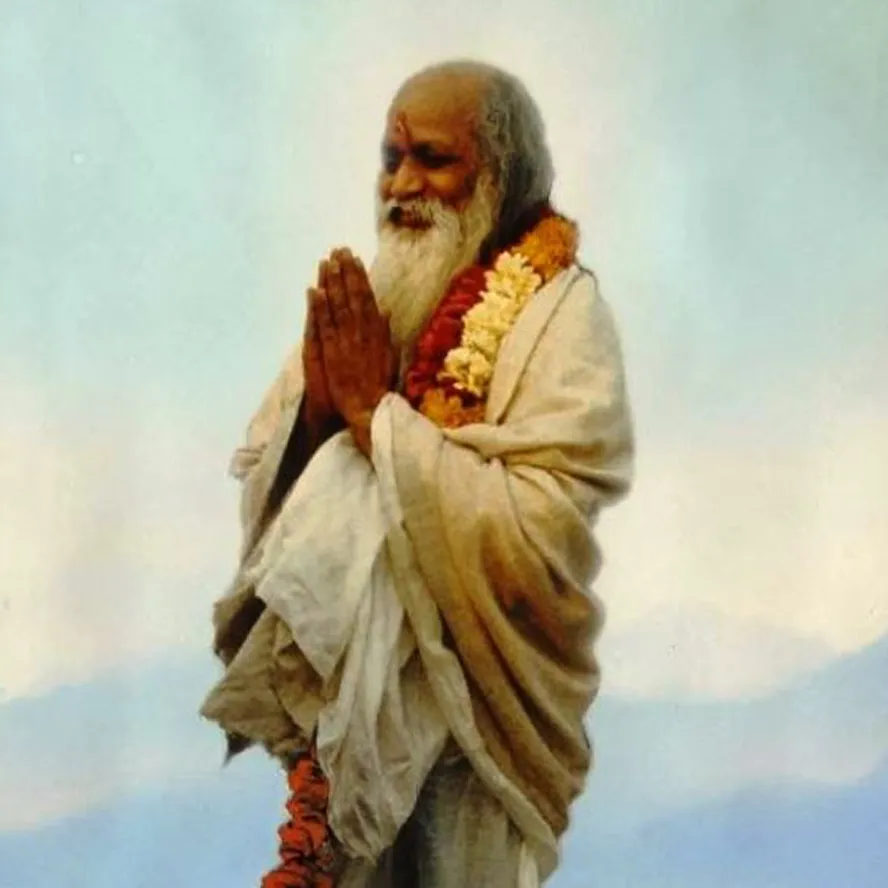
Mass meditation’s power to influence collective consciousness and reduce societal stress through coherence.
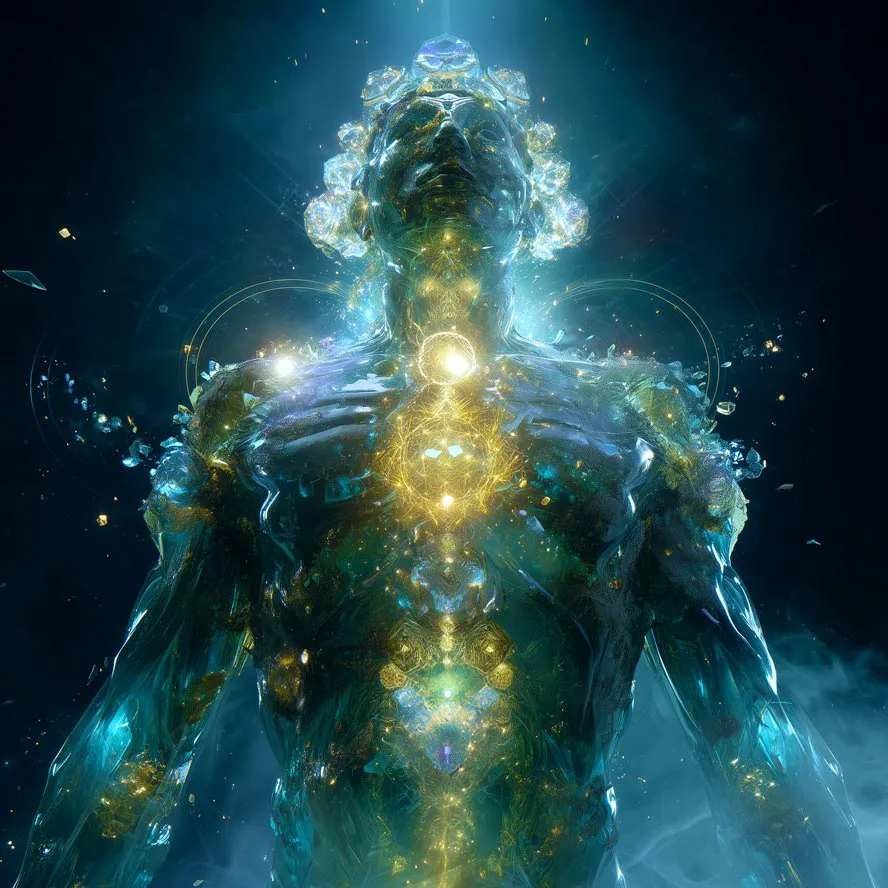
Vital detox channels including lymph, liver, and colon. Keep them flowing to support cleansing, vitality, and healing.

Technique that captures energy fields around living beings. A visual gateway into the aura and subtle body.

Nutrient-rich, uncooked foods full of life force. Support cellular vitality, digestion, and detox with plant-based nourishment.

The fourth state of matter and a carrier of high-frequency energy. Linked to subtle bodies, light healing, and cosmic life force.

The liminal phase between waking and sleep where intuition, visions, and altered states arise naturally.

Taoist principle of effortless action. Align with the natural flow of life by doing without forcing.