Dr. James Esdaile
Dr. James Esdaile was a pioneering 19th-century surgeon whose work in British India redefined the boundaries between medicine, consciousness, and suggestion. Known for performing over 300 major surgeries using mesmeric anesthesia (a form of deep hypnotic trance), Esdaile blended indigenous healing rituals with Western science, showing that pain could be alleviated not just by chemicals, but by conscious states of mind. His work raised profound questions about belief, cultural integration, and the body's response to suggestion, foreshadowing modern practices in somatic therapy, nervous system regulation, and mind-body medicine. In this foundation, you’ll explore his use of mesmeric surgery, the intersection of belief and biology, and the enduring implications of suggestion-based healing.
Mesmeric Surgery and Pain-Free Operations
Dr. James Esdaile’s most revolutionary contribution was the use of mesmerism, now understood as deep hypnotic trance, to perform major surgeries without chemical anesthesia. At a time when ether and chloroform were either unavailable or dangerous, Esdaile demonstrated that altered states of consciousness could dramatically reduce pain and even lower surgical mortality. His patients, many of whom were impoverished laborers in colonial India, often entered deep mesmeric sleep during amputations, tumor removals, or cataract extractions. Rather than suppressing pain chemically, he bypassed the pain experience entirely through the mind-body connection.
Inducing Mesmeric States
🌀 Mesmerism as Anesthesia
Esdaile used a series of magnetic passes over the patient’s body to induce a trance-like state, where perception of pain was either muted or absent altogether.
🌬️ Jhar-Phoonk Influence
He adopted the Indian folk technique of sweeping (jhar) and blowing (phoonk) over the body, rituals believed to cleanse energetic blocks, integrating them into his surgical preparation.
🧘 Deep Hypnosis Through Breath and Focus
The patient would be guided into stillness through rhythmic breathing, focus on the healer’s hand movements, and energetic suggestion, creating a state similar to deep meditation or sleep.
Surgical Outcomes and Evidence
🔪 Over 300 Major Surgeries
Esdaile reportedly performed over 300 operations, including amputations, scrotal tumor removals, and internal incisions, without traditional anesthetics, often pain-free and with patient consent.
📉 Reduced Mortality Rates
Mortality among his mesmeric patients was drastically lower than typical for the time: from 50% down to as low as 5%, largely due to minimized shock and trauma responses.
😌 Patient Calm and Cooperation
Patients under mesmeric anesthesia remained relaxed, still, and often emotionally neutral, even during highly invasive procedures, suggesting nervous system downregulation through trance.
Challenges and Recognition
🧪 Rejected by Medical Orthodoxy
Despite his results, many in the British medical establishment dismissed his work, claiming it lacked scientific rigor or misattributed success to coincidence or manipulation.
📚 Documented in Reports and Journals
Esdaile meticulously documented his surgeries, publishing in medical journals and even founding a Mesmeric Hospital in Calcutta with limited but historic approval.
🕯️ Pioneering Conscious Surgery
His work foreshadowed the use of hypnosis in modern pain management, birthing early interest in psycho-somatic medicine, and introducing the idea of surgery with conscious cooperation.
Belief, Suggestion, and the Power of Expectation
Dr. Esdaile’s mesmeric procedures weren’t just physical interventions, they were also experiments in consciousness. He observed that when a patient believed the procedure would be painless or that the healer could induce sleep, the result was often extraordinary. Whether through cultural reverence for “Jhar-Phoonk,” hypnotic suggestion, or trust in the practitioner, expectation played a direct role in the body’s response. Esdaile’s work offers one of the earliest clinical insights into the placebo effect, somatic imprinting, and the power of belief to influence biological reality.
The Role of Suggestion in Healing
🗣️ Words Shape Experience
Esdaile would speak reassuringly to patients, planting ideas of safety, sleep, or numbness. These verbal cues acted like seeds, once accepted by the subconscious, they began reshaping the body’s reaction to pain.
🧠 Mental Expectation Triggers Biochemical Shifts
He noticed that when patients expected pain relief, their bodies responded with calm, even during high-risk procedures, a phenomenon now supported by neuroscience and placebo studies.
💡 The Belief of the Healer Matters Too
Esdaile’s own confidence in mesmerism helped generate powerful outcomes. His unwavering expectation of success seemed to influence both his patients and the surgical environment.
The Subconscious as Gateway
🧬 Suggestion Bypasses Resistance
When in a mesmeric trance, the patient’s analytical mind relaxed, allowing healing suggestions to land directly in the subconscious, the source of physiological command.
🌙 Trance Unlocks Nervous System Repatterning
By slowing brainwaves and creating deep relaxation, Esdaile’s techniques activated the parasympathetic system, interrupting pain loops and allowing tissue restoration to begin.
🔄 Rewriting the Body’s Response to Pain
Over time, some patients reportedly experienced changes in their overall pain threshold or fear response, suggesting long-term shifts initiated through mental suggestion.
Implications for Modern Healing
🧪 The Power of Belief is Measurable
Esdaile’s case studies illustrate that belief can influence surgical outcomes, healing time, and even mortality, long before this was scientifically validated.
🔍 Mind-Body Unity in Action
His results reveal that the body does not operate in isolation from the psyche. Every cell listens to the dominant thought pattern, whether fear or trust.
🎯 Consciousness Directs Healing Intelligence
Esdaile proved that healing is not just procedural, it is perceptual. What we expect, we often experience. What we believe, we begin to embody.
Cultural Fusion of Science and Indigenous Wisdom
Though trained in Western medicine, Dr. Esdaile’s work unfolded in colonial India, where indigenous spiritual and healing traditions were deeply embedded in daily life. Instead of rejecting these practices, he recognized their efficacy, especially the Indian folk ritual of Jhar-Phoonk, a sweeping and blowing technique used to dispel illness or evil. By integrating this ritual with mesmerism and surgery, Esdaile became a cultural bridge: a practitioner who honored traditional wisdom while practicing modern science. His methods remind us that healing is not merely technical, it is relational, intuitive, and deeply influenced by culture.
Respecting Indigenous Traditions
🌿 Jhar-Phoonk as Energetic Medicine
This folk practice involved sweeping the hands across the body and blowing to release “bad energy” or “negative spirits.” Esdaile saw that it calmed patients and often induced trance-like stillness.
🙏 Blending Ritual with Science
Rather than dismiss Jhar-Phoonk as superstition, he adapted its motions into his mesmeric gestures, amplifying their psychological and somatic effect.
🌏 Honoring Local Belief Systems
By working with local traditions instead of against them, Esdaile deepened trust, making patients more receptive to trance and suggestion.
A Bridge Between Worlds
🔬 Merging Hypnosis with Folk Healing
Mesmerism, already controversial in the West, found new life when interwoven with Indian healing customs, creating a hybrid system of conscious surgery.
🕌 Healing Across Cultural Lines
Esdaile’s patients came from Hindu, Muslim, and tribal communities. His success lay in approaching healing not just as physical intervention, but as a spiritual and cultural dialogue.
📖 Learning from the Land
By observing and respecting India’s ancient healing arts, Esdaile discovered practical wisdom that extended beyond textbooks, wisdom encoded in rhythm, ritual, and relationship.
Legacy of Integration
🤝 The Healer as Cultural Translator
Esdaile served not just as a surgeon, but as a mediator between paradigms, one who could speak both the language of science and the language of the soul.
🌉 A Model for Integrative Medicine
His work foreshadowed the modern integrative model, where energy medicine, psychology, and biology are no longer seen as separate, but symbiotic.
📿 Wisdom Transcends Borders
Esdaile’s legacy reminds us that healing is not proprietary to any one system. When diverse paths are honored and synthesized, deeper levels of care become possible.
Explore Aligned Foundations

Unlock the alchemical wisdom of Dr. Theresa Bullard. Bridge quantum science and mystery teachings to architect your highest, most visionary soul reality.
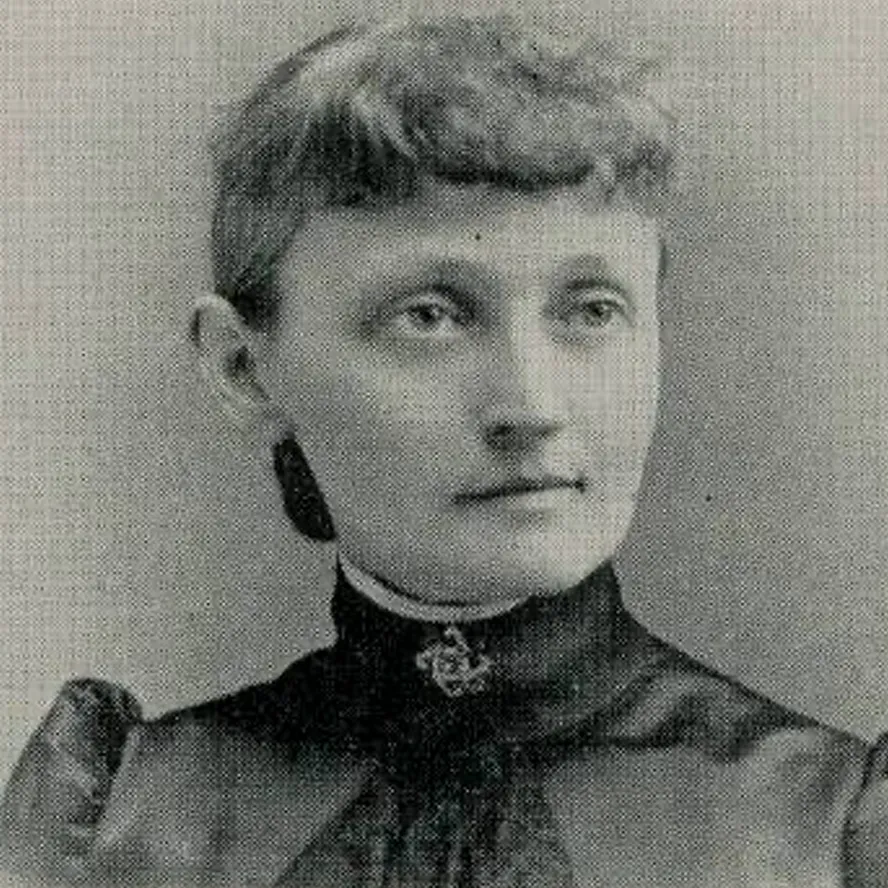
Mystic and metaphysical teacher known as the “Teacher of Teachers.” Her words inspire spiritual empowerment and divine truth.
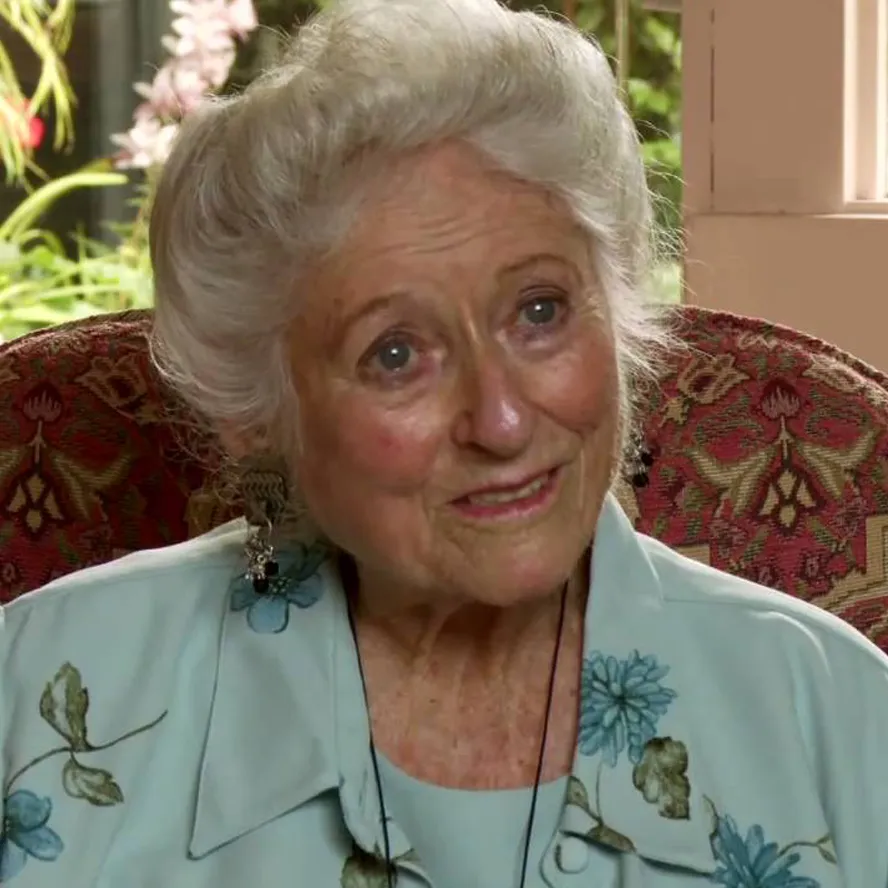
Physiologist and researcher who measured the human biofield. Her work revealed the electrical nature of consciousness.

Chinese scientist who studied the effects of qigong on biological systems, bridging Eastern practice with modern inquiry.
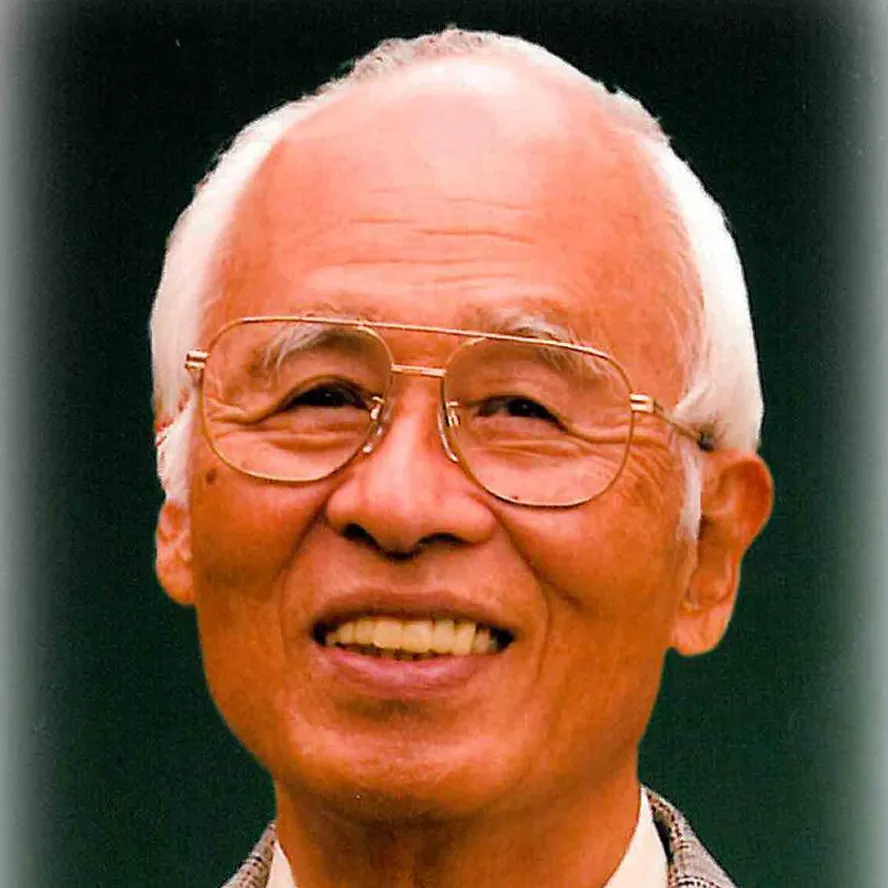
Scientist, mystic, and founder of the Institute for Life Physics. Bridged subtle energy, chakras, and consciousness.
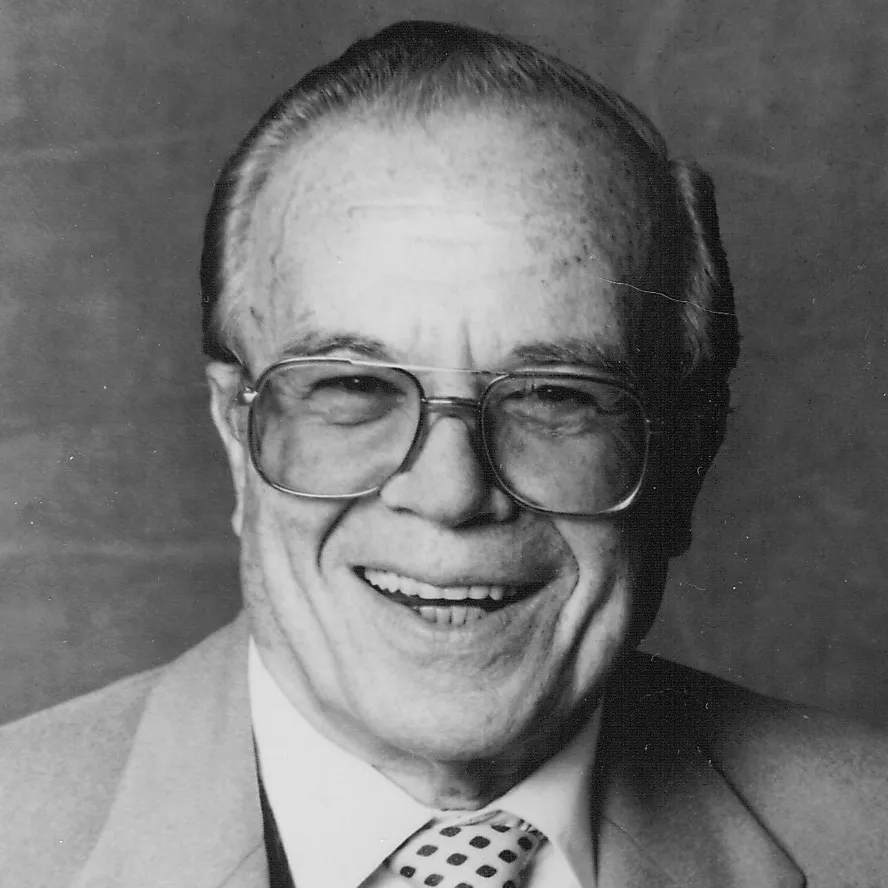
Founder of Core Energetics, blending psychology and energy to unlock truth, vitality, and spiritual integration.
Clairvoyant healer and co-founder of Therapeutic Touch. Her work bridges subtle energy, wellness, and spiritual science.
Medical doctor and clairvoyant who explored subtle anatomy, ESP, and consciousness beyond the five senses.
Psychoanalyst and orgone energy researcher who linked emotional repression to blocked life force and illness.